An educational toolkit, not a substitute for professional mental-health care.
Wellness Navigators is an educational toolkit designed to support wellbeing and encourage reflection, learning and meaningful conversations among young people aged 15–25, as well as the educators, youth workers, facilitators and other adults who support them.
The cards, webinars and digital resources are intended for educational purposes only. They do not diagnose, treat or prevent mental-health conditions, nor do they replace professional medical, psychological or therapeutic care.
If you are experiencing significant emotional distress, are worried about your mental health, or believe that you or someone else may be at risk of harm, please seek support from a qualified mental-health professional or an appropriate local support service. If you are supporting a young person, follow your organisation's safeguarding procedures and seek professional support when needed.
Wellness Navigators is designed to complement — not replace — the support provided by qualified professionals. By continuing to use this website, you acknowledge that you understand the educational purpose of this toolkit and will use it accordingly.
Erasmus+ KA2 · 2025–2027
Tools to navigate emotional wellbeing in youth work.
A 36-card deck and a digital platform that help educators, youth workers and facilitators open honest conversations with young people aged 15–25.
Co-funded by the European Union — KA210 / Youth · A cooperation project among Promesas (ES), Agrado (IT) and Mudita (PL).
What is Wellness Navigators
A toolkit built by youth workers, for youth workers.
Wellness Navigators is an Erasmus+ KA2 project that turns research on adolescent mental health into something a facilitator can put on the table on a Tuesday afternoon: a deck of 36 cards, six live webinars, and a free digital platform.
The consortium — coordinated from Poland by Mudita Foundation, with partners in Spain (Promesas) and Italy (Agrado) — combines pedagogy, somatic practices and non-violent communication to give educators a shared vocabulary for emotional wellbeing.
Open to facilitators across Europe, recorded for replay.
15–25
Target age
Designed with and for young people in this range.
3
Partner countries
Spain · Italy · Poland, with focus groups across the EU.
Who is this platform for
If you sit in a circle with young people, this is for you.
The deck and the platform work in classrooms, summer camps, after-school clubs, residential programmes and one-on-one mentoring — anywhere conversations about emotions need a gentle starting point.
Non-formal educators
Trainers running emotional-literacy sessions, life-skills programmes or workshop series outside the curriculum.
Youth workers
Professionals working day-to-day with adolescents in community spaces, NGOs and youth associations.
Group facilitators
People holding the room: peer-support circles, mentoring groups, summer-camp leaders.
School, youth center, Scout groups…
Facilitators & Counsellors looking for ready-to-use activities, rituals and conversation starters.
"The best thing to work about wellness is when you HAVE A CHOICE."
— Consortium working principle, Vinci, April 2026
Every card, every prompt, every webinar in this project starts from one belief: wellbeing isn't a destination you arrive at, it's the daily, small act of choosing how you respond. Our job as facilitators is to make that choice visible — never to make it for someone else.
How to use the tools
From a card on the table to a conversation that lands.
The physical deck and the digital platform are designed to be used together — or independently, depending on your group, your time and your room.
1
Pick a card
Open the deck or browse online. Choose by category (Picture, Awareness, Practice, Guide) or let the group draw at random.
2
Open the room
Use the prompt on the card to start the conversation. Each card includes a facilitator note with timing and tone suggestions.
3
Go deeper online
Every theme connects to this website, where you’ll find the full theory, guided activities and materials in the language of your group.
4
Close with intention
Use a Guide card to wrap. Save the session, share resources, and invite young people back to the platform on their own time.
Ethical disclaimer
This is an educational toolkit, not a substitute for therapy.
Wellness Navigators is designed for educational and group settings. The cards open conversations — they do not diagnose, treat or replace professional mental-health support. If a young person you work with shows signs of distress, refer them to a qualified professional. Every Guide card includes a note on when and how to escalate.
Quick access
Three ways into the project.
Whether you have ten minutes or a whole training day, start where it makes most sense for your group.
Explore the card deck
Browse all 36 cards online. Filter by category, save your favourites, and download a printable starter set.
Register once for the whole series of webinars and materials!
Sign up once — for free — and you'll receive the join link and materials for every webinar in the series, whenever each one is scheduled. No need to register again. It starts with Paulina's session on 30 September 2026.
◉ Webinar · 01 / 0630 SEP 2026 · 19:00–20:15 CET
Emotions in conscious motion
A live session on noticing, naming and regulating feelings with empathy — emotions seen not as problems to fix, but as signals about what we need. Through the lens of Nonviolent Communication.
Decided in Vinci, April 2026. Co-designed with focus groups in Spain, Italy and Poland. Printed in English, Italian, Polish and Spanish — 100 decks across the consortium.
The four categories · the arc of a session
Each category carries one phase of the work: open the conversation, recognise what is present, take a small concrete step, accompany with theory.
Picture
Photographs without text. They open the conversation by letting the group project meaning onto an image — no right answer.
10 cards · Teal Mid
Awareness
Challenges recognised and named. One card per challenge (C-01 to C-10), each in its own colour and glyph.
10 cards · 10 hues
Practice
Small concrete gestures: a breath, a journal prompt, a movement, a written reframing. Things you can do in five minutes.
10 cards · Clay
Guide
Six transversal frameworks for the facilitator — the full theory lives on this website, always at hand.
6 cards · Plum
The ten challenges · C-01 to C-10
The wellbeing themes that emerged from the focus groups — each owns a unique colour and a unique glyph. The Awareness category has one card per challenge.
C-01
Stressful situation
Acute stress, overactivation.
C-02
Social pressure
"What's expected of me."
C-03
Self-doubt
Insecurity, inner critic.
C-04
Overthinking
Rumination, thought loops.
C-05
Inclusion · Exclusion
Belonging, "being outside".
C-06
Overload
Simultaneous overwhelm.
C-07
Uncertainty
What cannot be foreseen.
C-08
FOMO
Fear of missing out.
C-09
Life changes
Transitions, moves.
C-10
Comparison
External yardstick of one's life.
Theory library · 6 frameworks
Six frameworks, the full theory on this site.
The six Guide frameworks are published here, on this website — theory, a short introduction and a supporting exercise for each. The deck itself stays print-only: no codes to scan, nothing to install. Open the framework you need on any screen while you facilitate.
◉ Theory library
Six frameworks. One library, on this site.
Each framework has its own page here: the theory, a short introduction and one supporting exercise. Written for facilitators, in plain language.
Framework 01EN · IT · PL · ES
Vagus nerve
Nervous-system regulation and co-regulation. Slowing the body to slow the mind.
Framework 02EN · IT · PL · ES
IPNB
Interpersonal neurobiology. The window of tolerance and what lives outside it.
Framework 03EN · IT · PL · ES
Somatic
Listening to the body. Sensory anchors as a doorway into emotion.
Framework 04EN · IT · PL · ES
NVC
Nonviolent Communication and its four steps: observation, feeling, need, request.
The giraffe and the jackal are the two classic symbols of Nonviolent Communication — the giraffe (the land animal with the largest heart) speaks from empathy; the jackal from judgement. You'll meet them both inside this chapter.
Framework 05EN · IT · PL · ES
Resilience
A curve of recovery, not the absence of pain. Patterns of bounce-back over time.
Framework 06EN · IT · PL · ES
Routines
Small daily rituals that hold you up. The compounding power of tiny gestures.
Project timeline
Where we are, where we're heading.
The card content took longer to review than planned, so the deck design lands at the end of September and testing follows in the autumn. Meanwhile the local wellbeing workshops have been running in Spain, Italy and Poland since May.
Kick-off
Sept 2025
Focus groups
Oct–Dec 2025
TPM2 Vinci
April 2026
Local wellbeing workshops · ES · IT · PL
May 2026–Jan 2027 · running
Platform launch
1 Aug 2026
Card design ready
Late Sept 2026
Webinar 1
30 Sept 2026
Card testing with young people
Oct–Nov 2026
Webinars 2–6
Oct 2026–Feb 2027
Final print run
Jan 2027
Closing event
Feb 2027
From the field
The project, off the page.
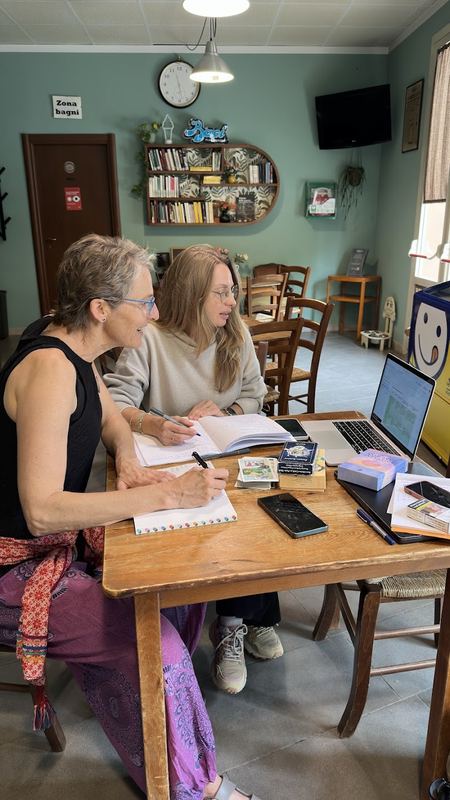
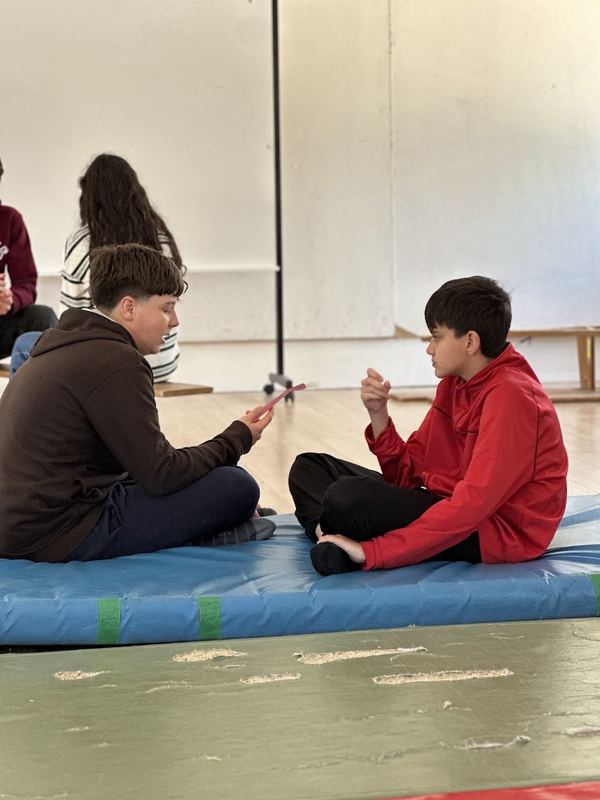
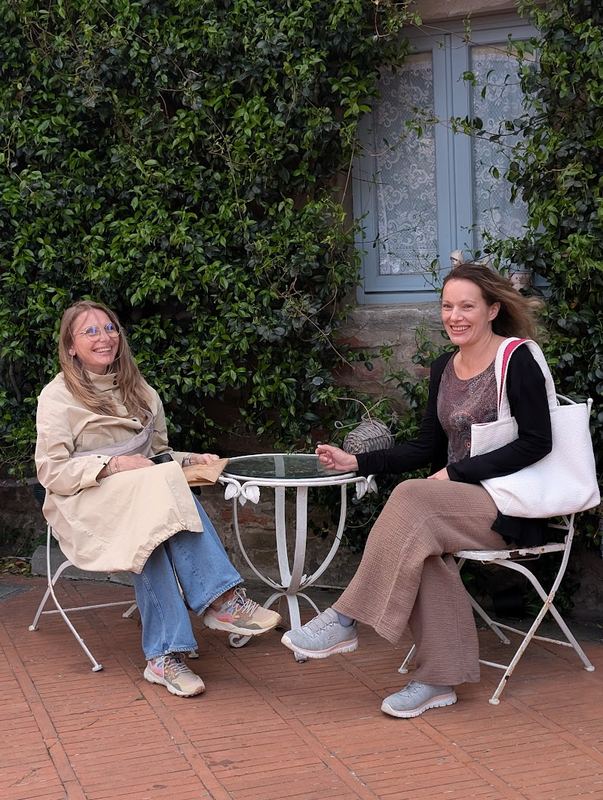
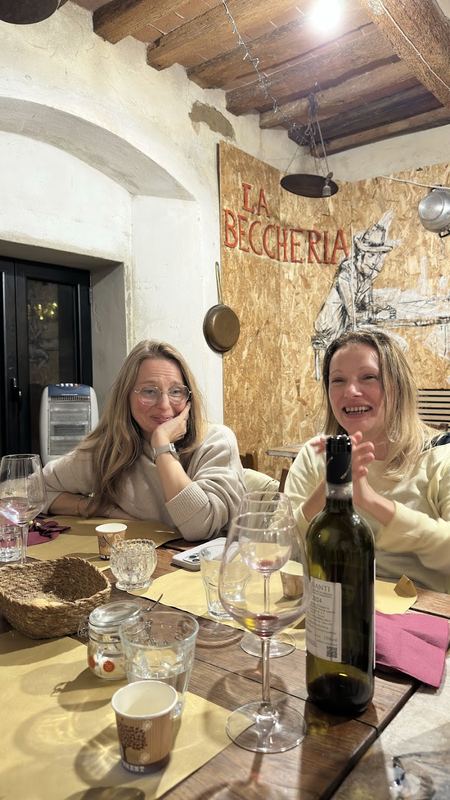
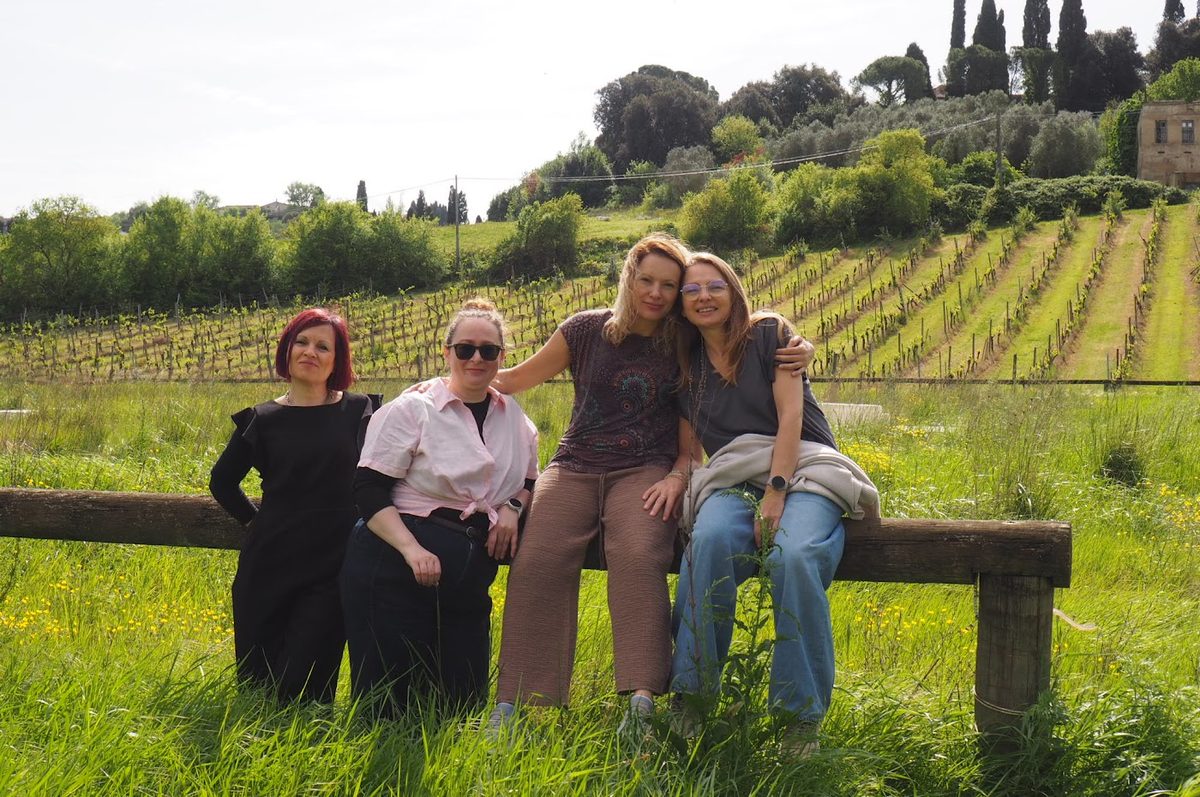
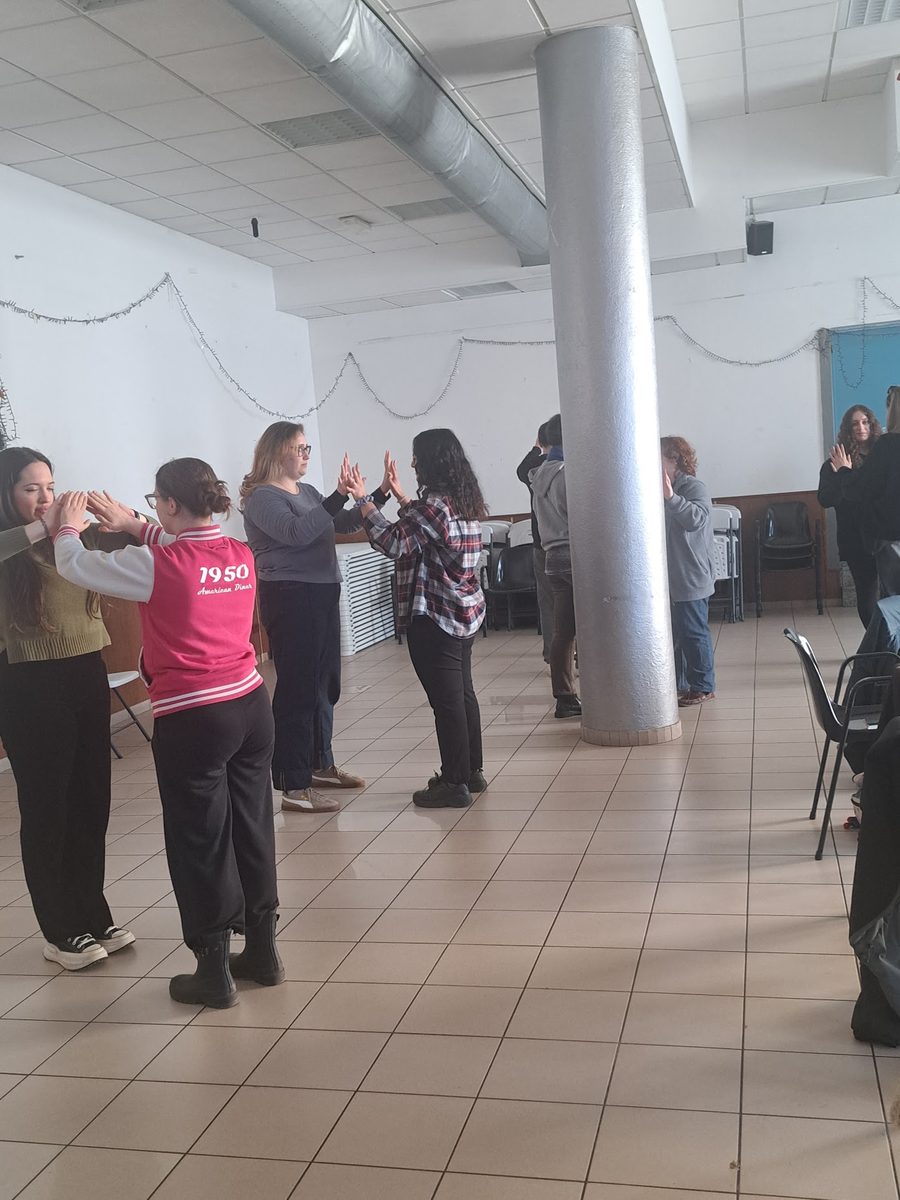
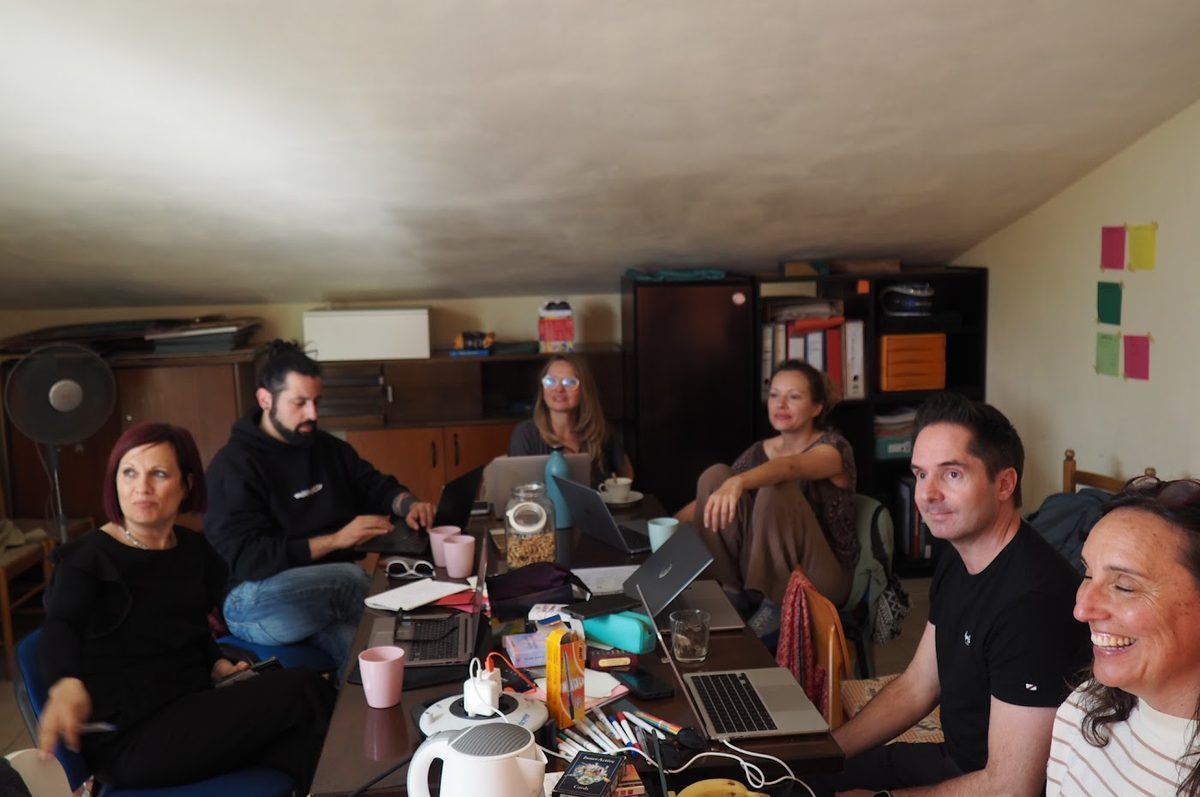
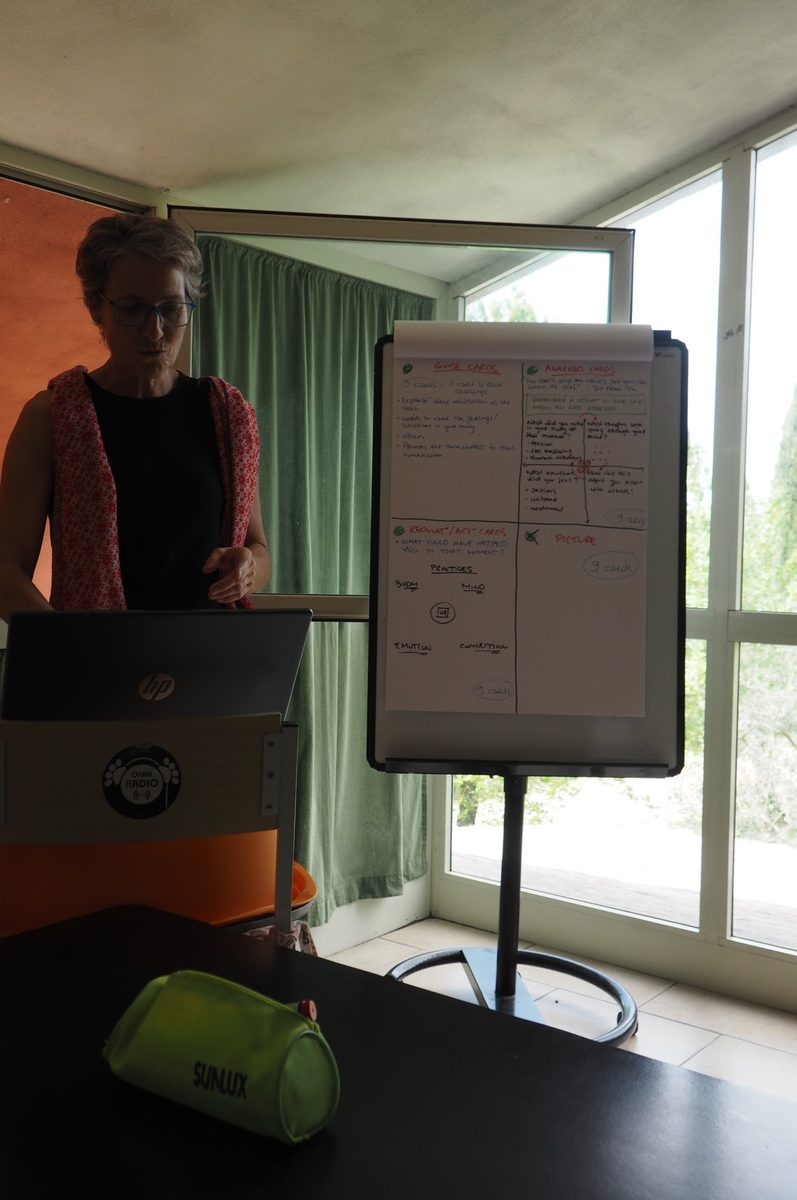
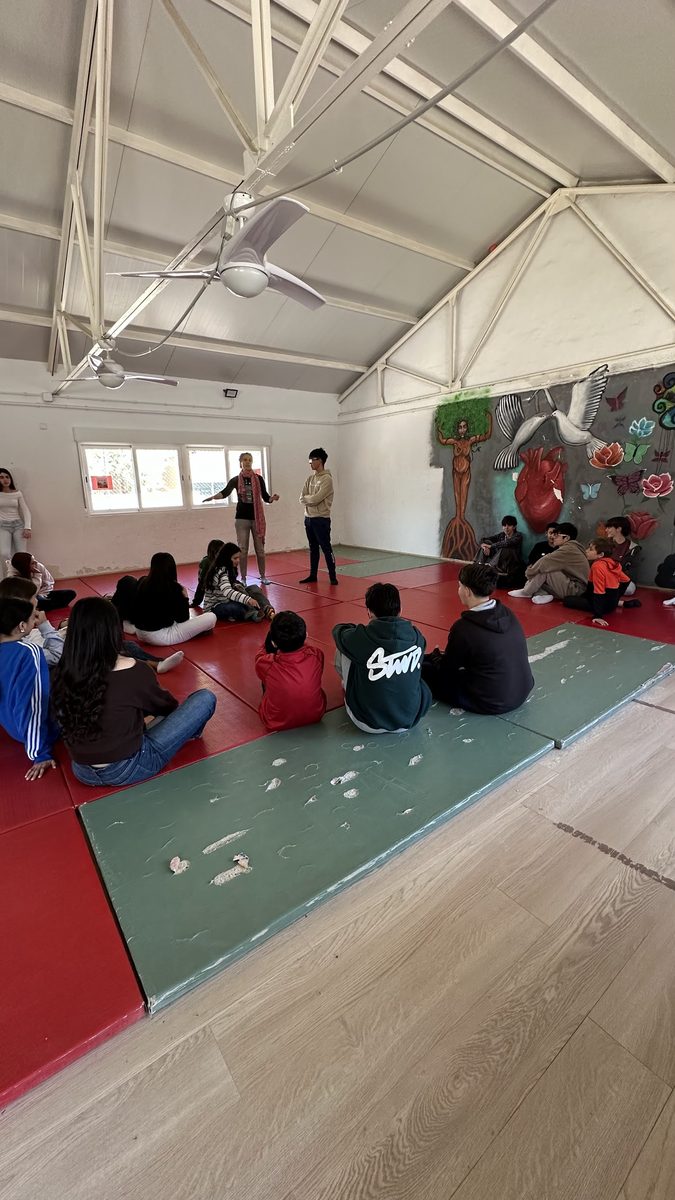
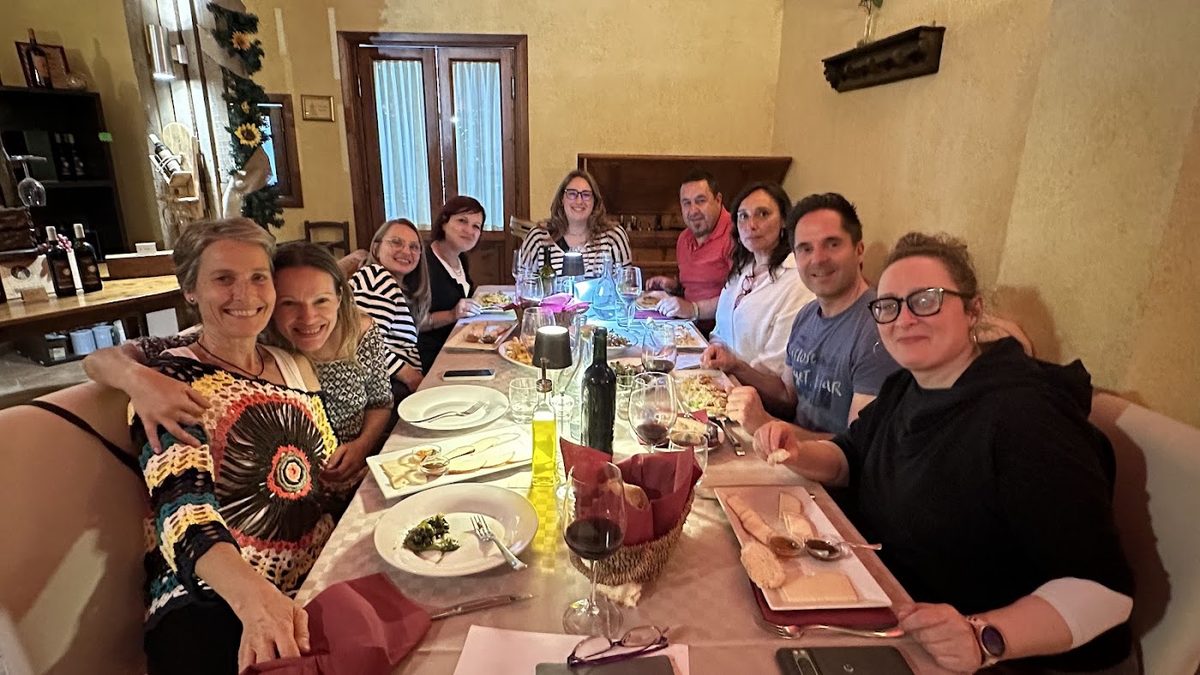
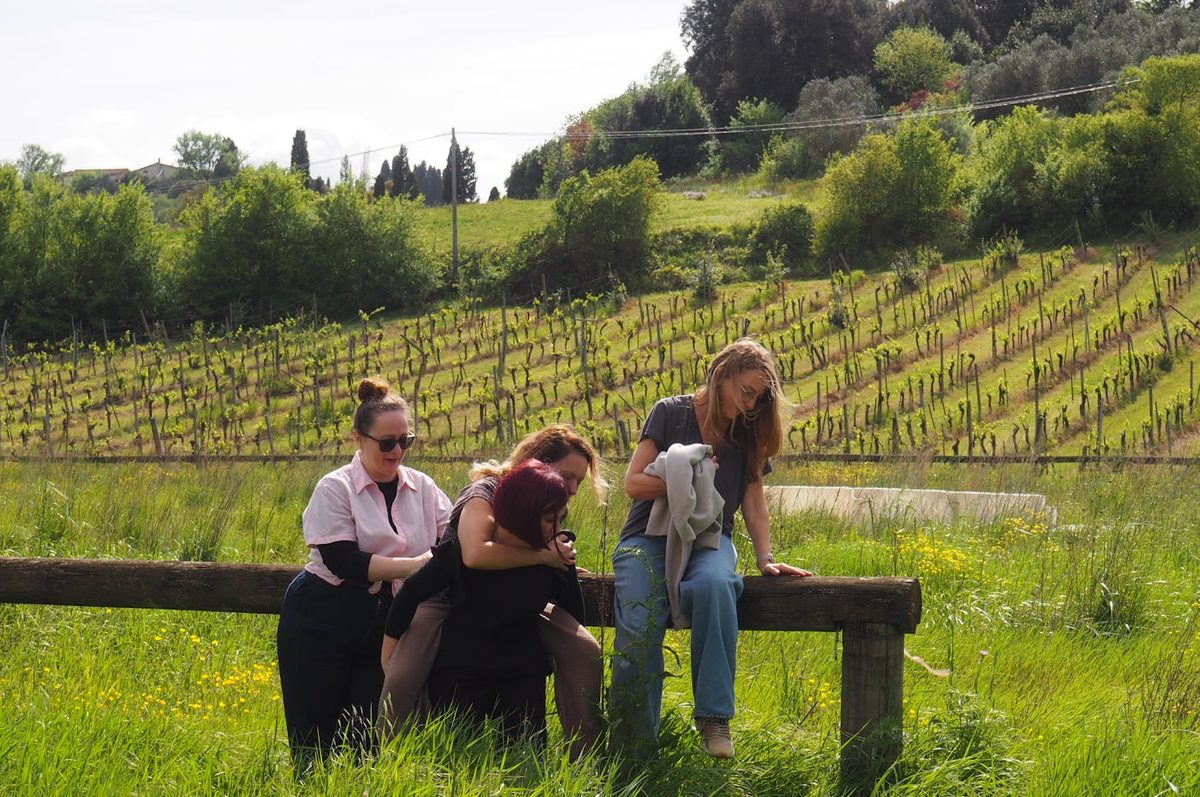
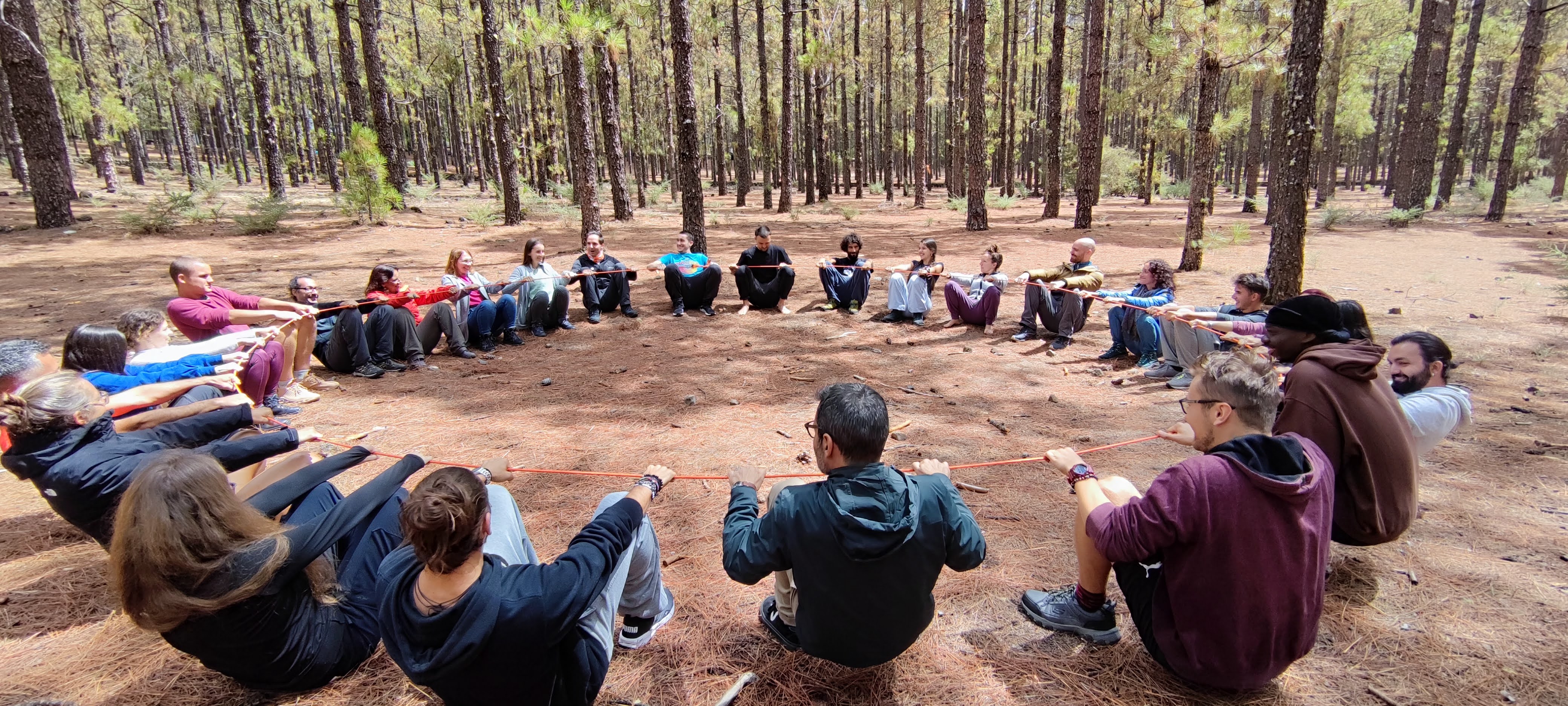
Focus groups, partner meetings and piloting sessions across Spain, Italy and Poland — the rooms where the 36 cards were shaped, argued over and tried out with real groups.
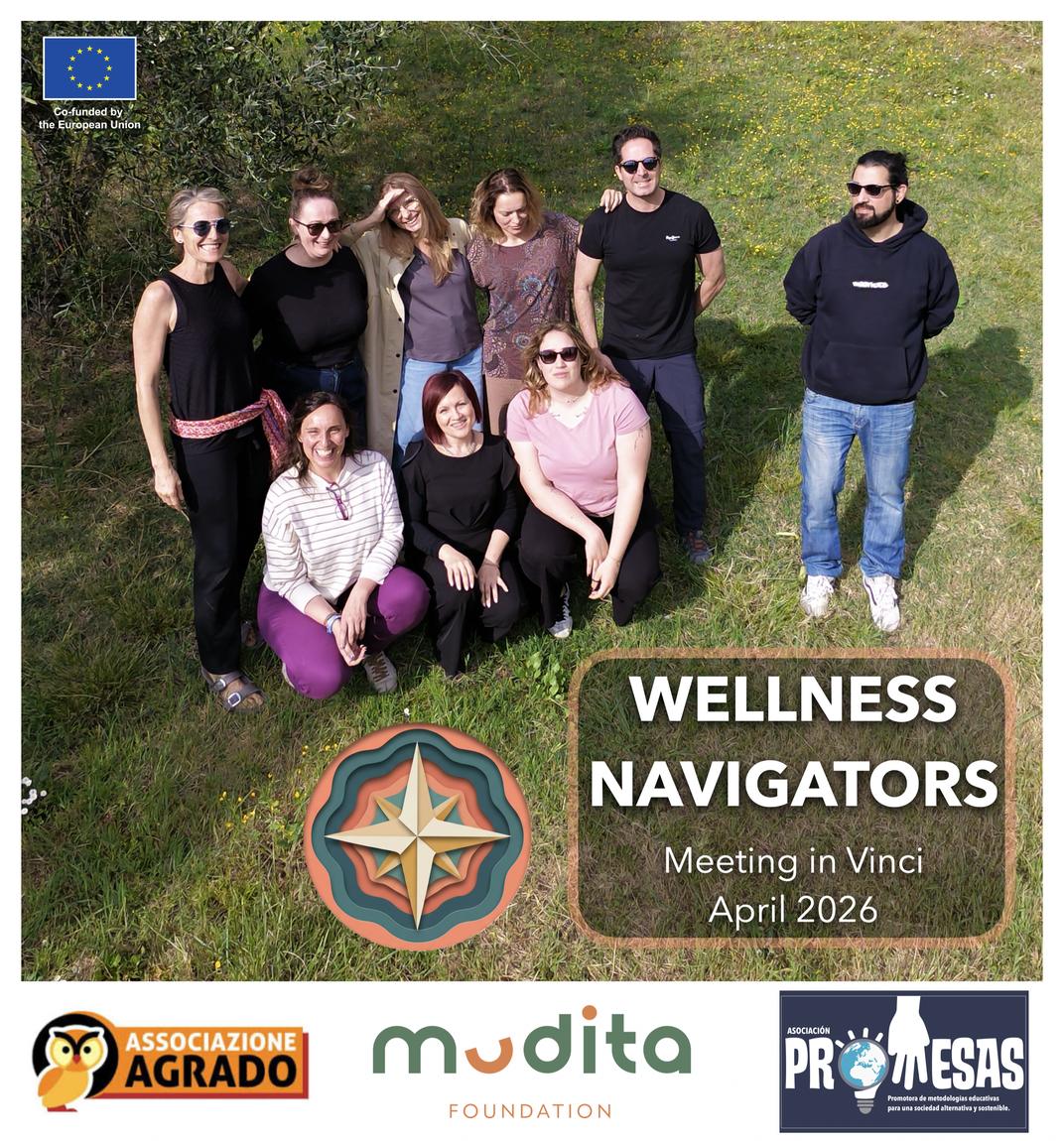
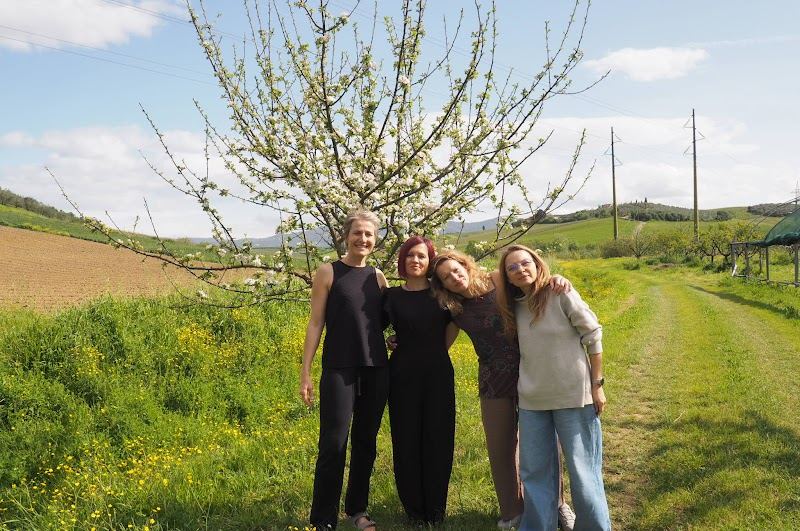
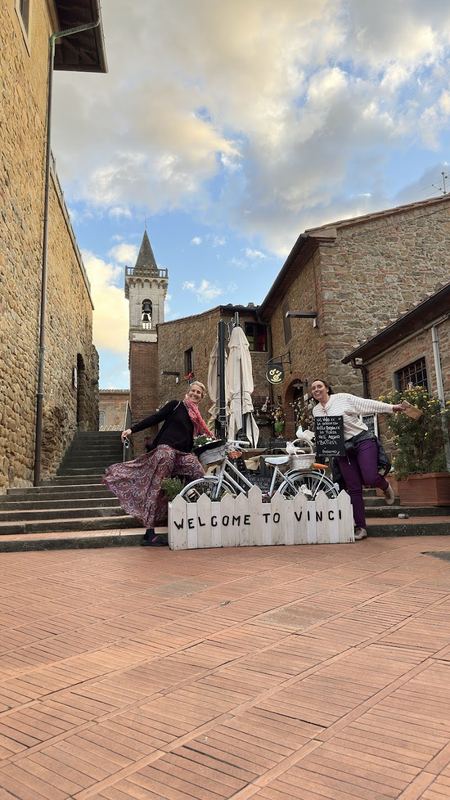
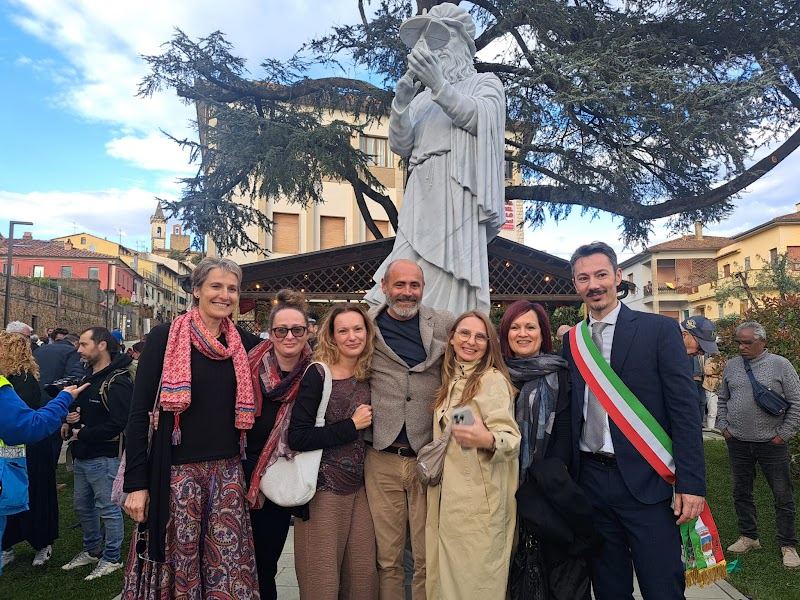
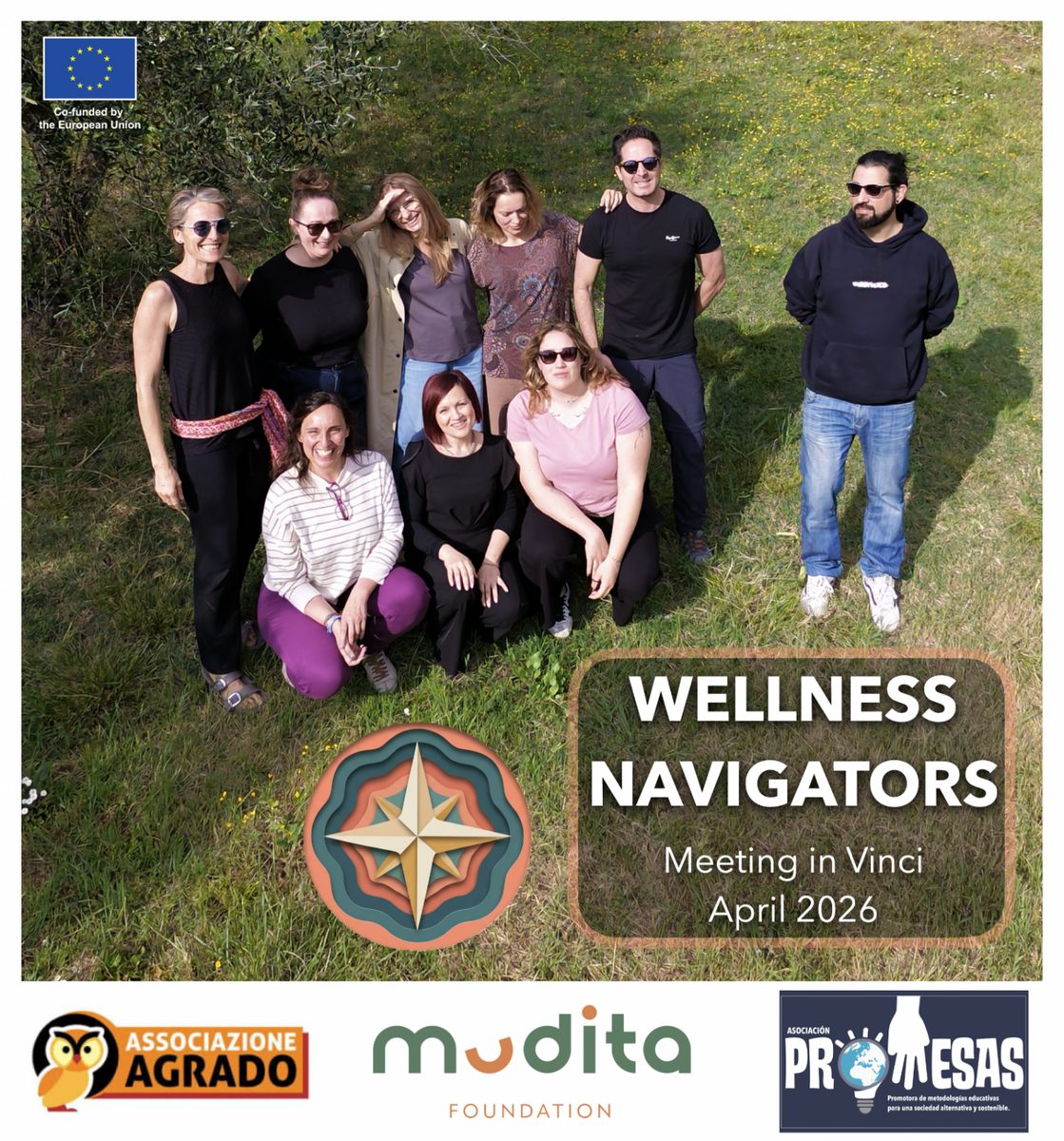
The whole team, together · Transnational meeting · Vinci, April 2026
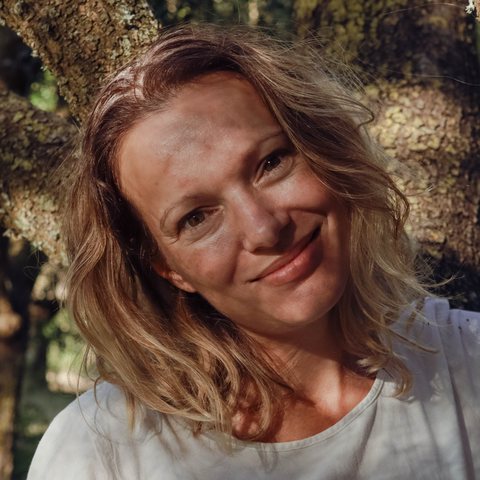
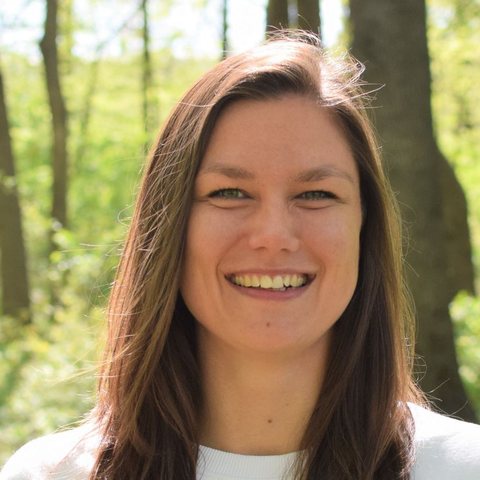
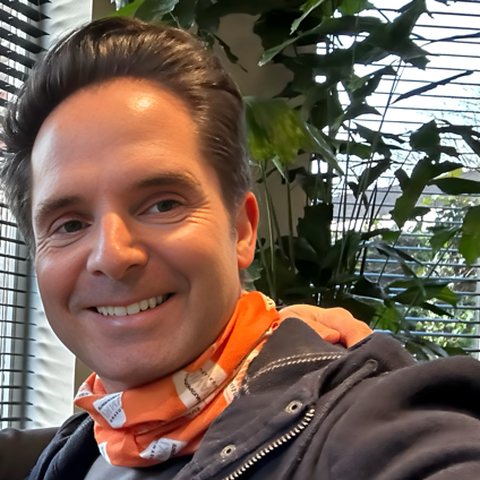
Wellness Navigators is built and maintained by a small consortium of practitioners who deliver these methods every week with young people across Europe.
President of Mudita and non-formal educator with 25+ years in youth work. Combines somatic practice, experiential and reflective methods to build emotional resilience and authentic relationships.
Paulina Orbitowska-Fernandez
NVC Trainer & Coach
Certified NVC and eduScrum trainer, coach, mentor and mediator. Works in empathic communication, conflict navigation, psychological safety and wellbeing. Leads webinars 01, 03, 05 & 06.
Agnieszka Gwadera
Movement Educator
Movement and dance facilitator, creator of the COBONA (Connection · Body · Nature) approach — connection with oneself, with others and with the natural world.
Waldorf-trained teacher and president of Promesas. Since 2005 he has run 40+ Erasmus+ trainings and youth exchanges. Works in creative learning, emotional education, conflict transformation and game-based learning.
Arantxa Soria
Secretary & Education Counsellor
Educational counsellor specialised in special educational needs, detection and diagnosis. Connects emotional wellbeing, mental health and school climate in her work with teaching teams.
Esther Davó
Teacher & Therapist
Primary and music teacher specialised in holistic and sound therapy, with a focus on bullying prevention. Uses sound, movement and body awareness to ease stress and manage emotions.
Marga Galisteo
Psychologist
Psychologist with 25+ years guiding emotional, educational and life transformation, integrating body, emotion, mind and awareness to build safe spaces for growth. Leads webinar 02.
President of Agrado, trainer and psychological counsellor specialised in Transactional Analysis. Designs Erasmus+ courses on self-awareness, wellbeing, communication and inclusion. Leads webinar 04.
Marco Politano
Project Manager & Digital Expert
Project manager, facilitator and digital-tools expert — digital communication, podcasting, AI tools, visual documentation and dissemination.
Marta Lunardi
Administrative & Financial Officer
Administrative and financial officer with long experience in Erasmus+ management: budget planning, monitoring, documentation and compliance.